

The Cost of Being Ready: Why sports photography has such a high barrier to entry, and why specialized support like DPPF matters for emerging photographers
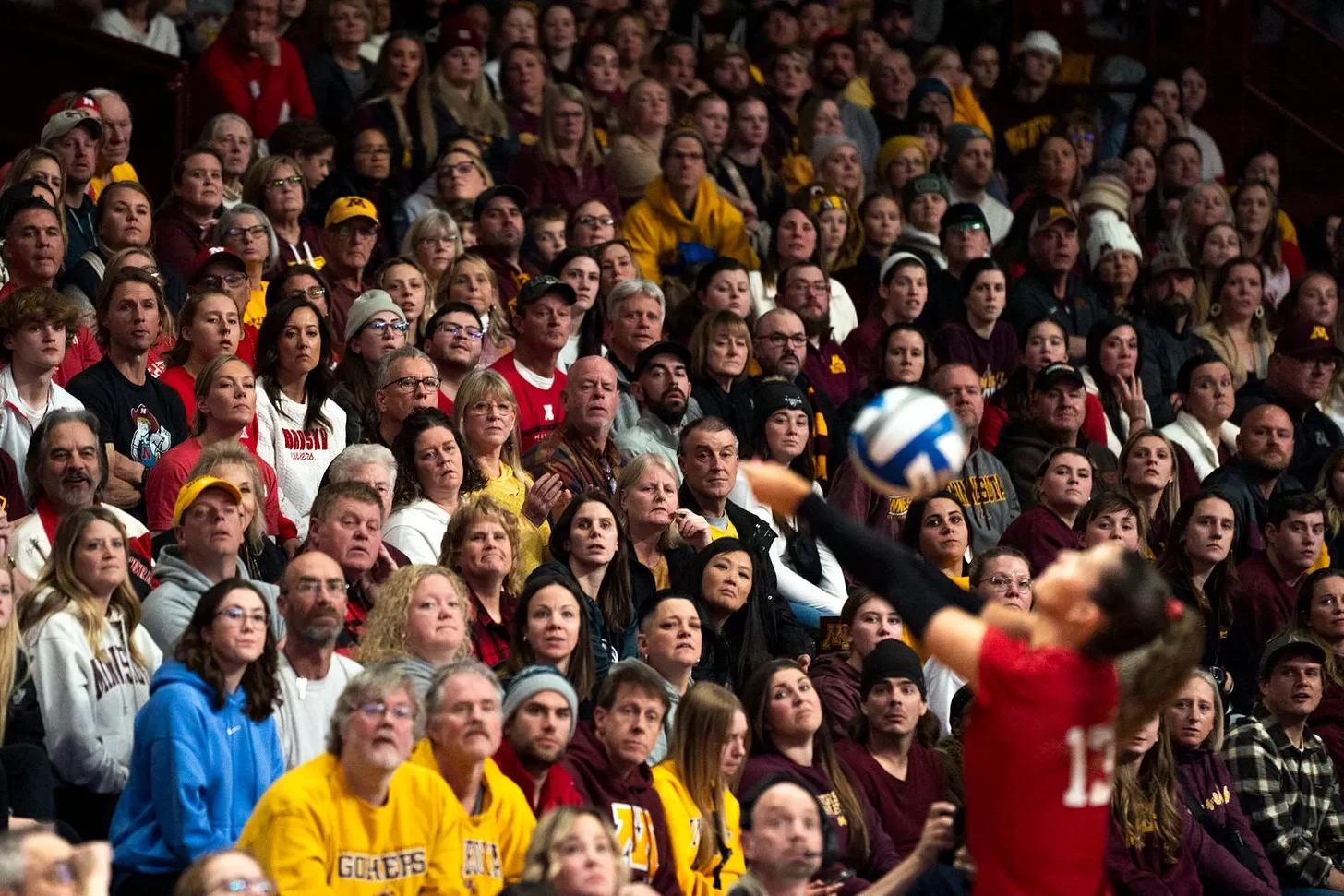
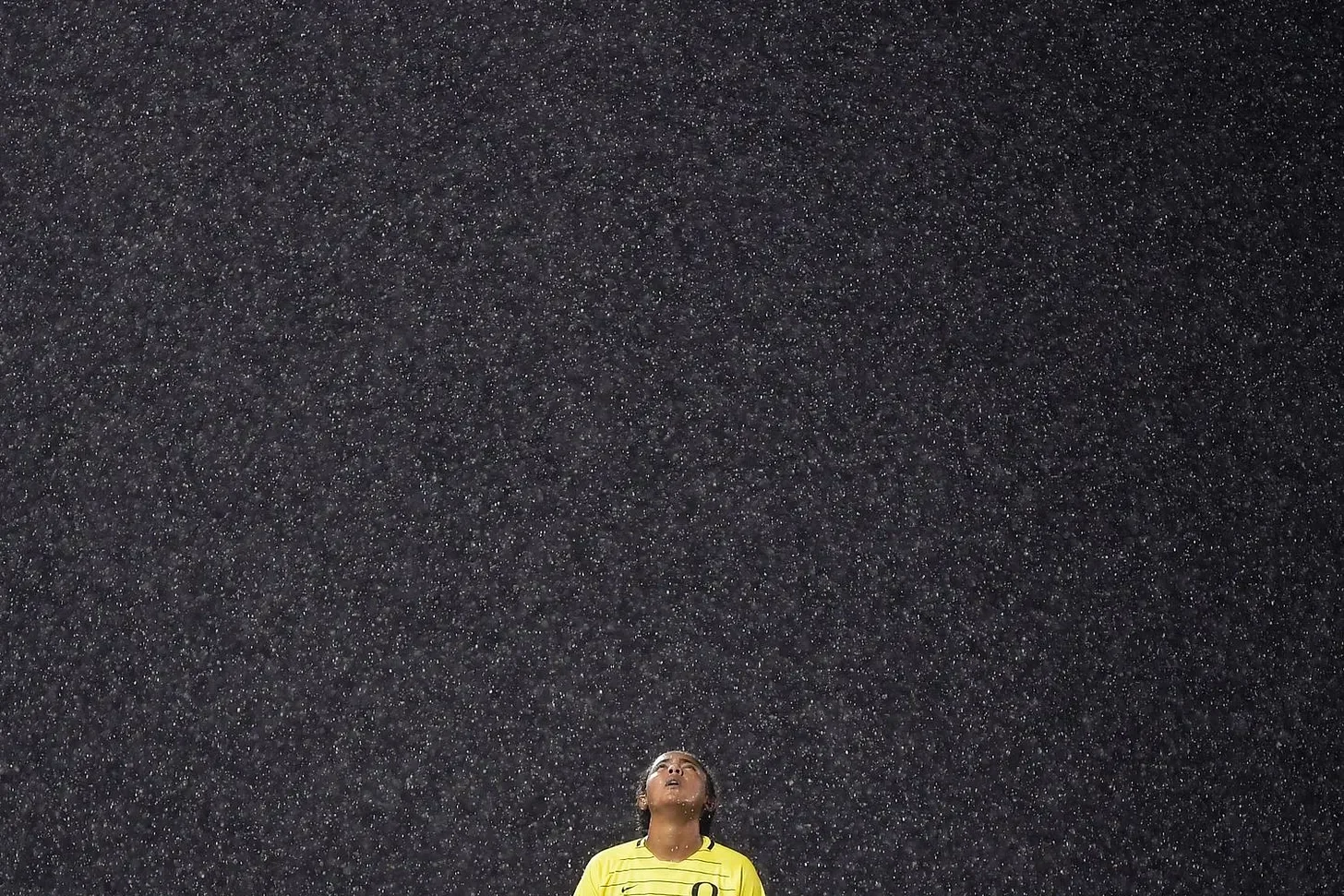
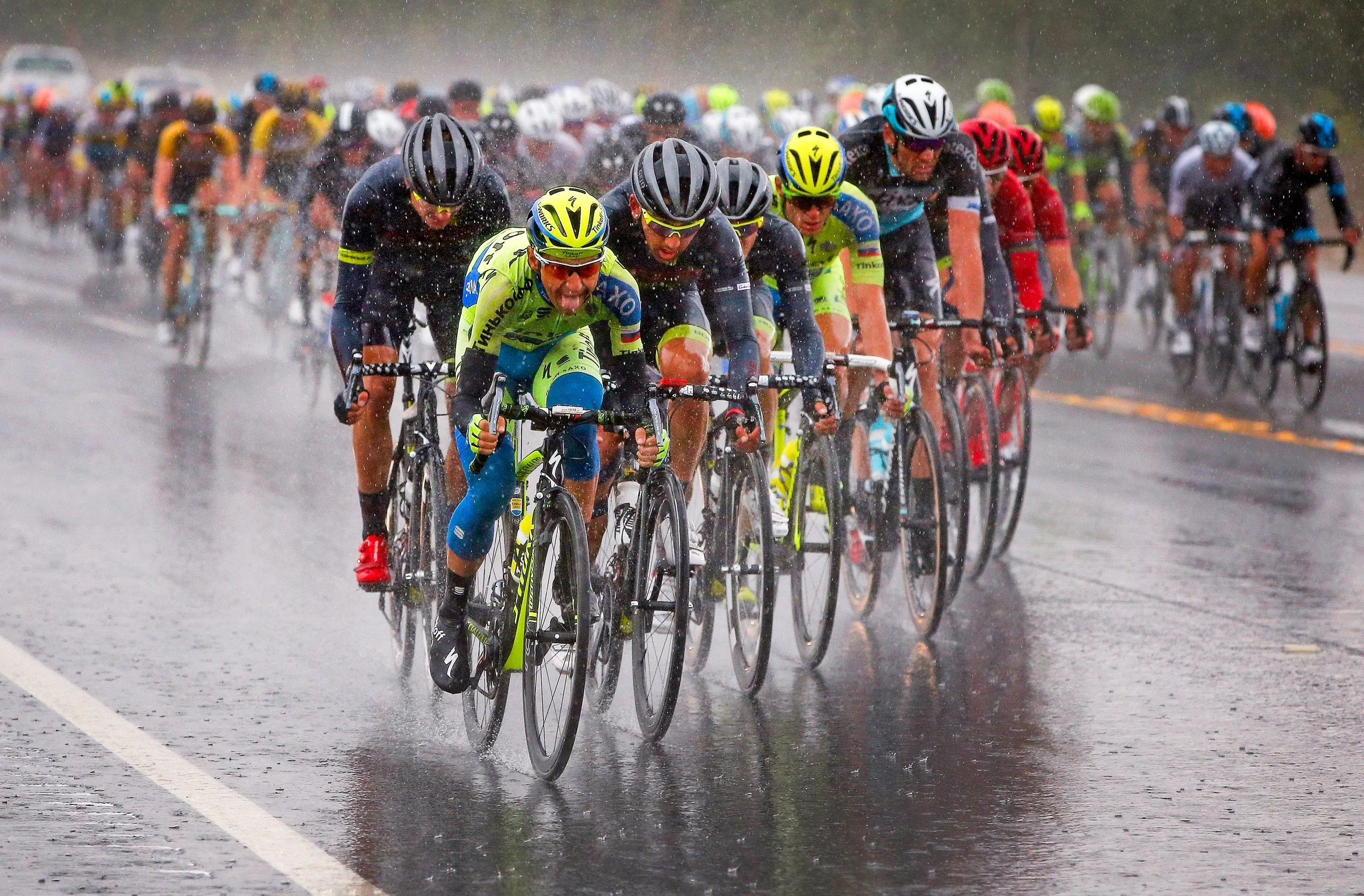
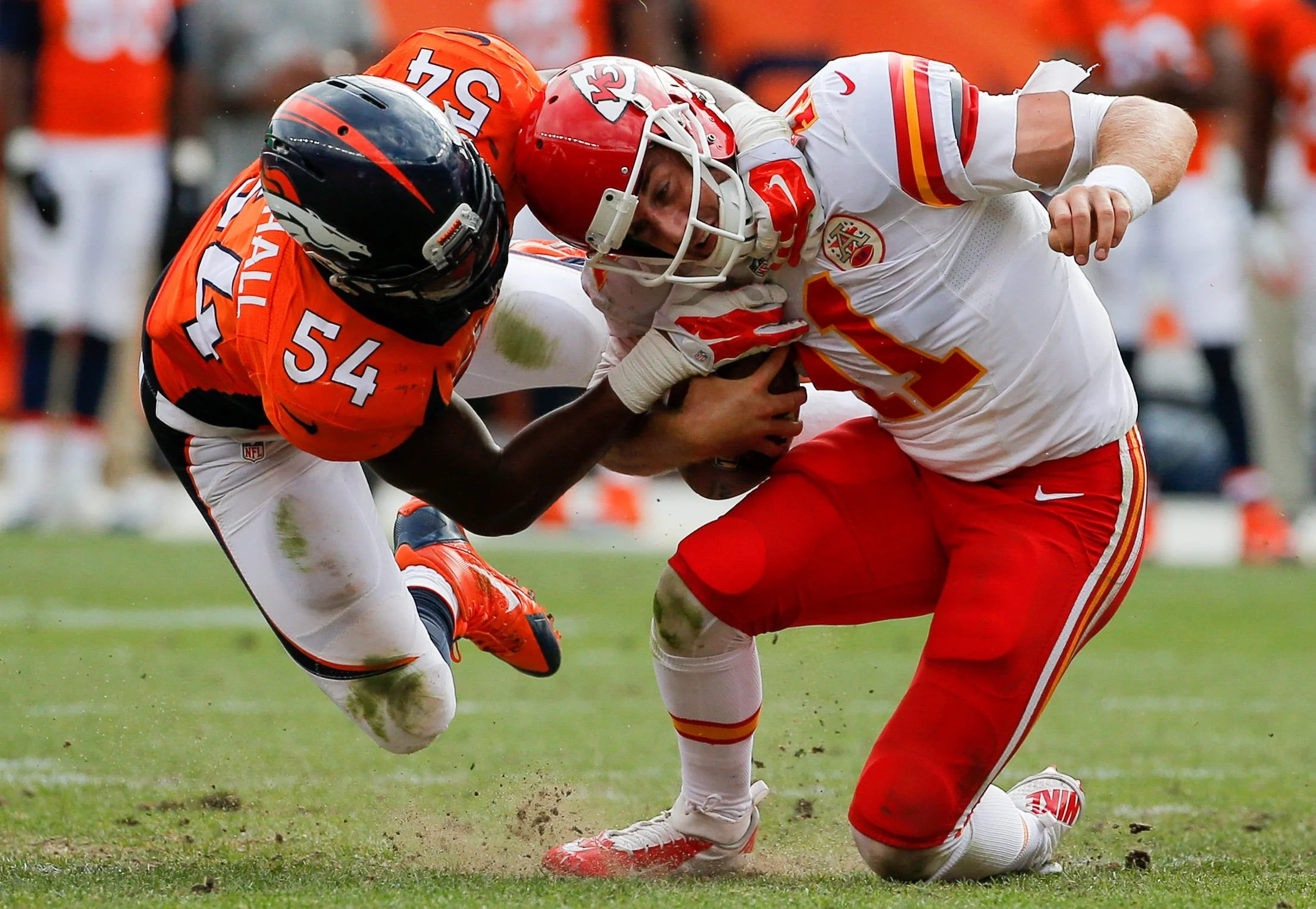
There is a specific kind of silence inside a stadium. Not the quiet of an empty place, but the split second before the moment arrives. A receiver breaks free, a goalie squares up, a skier disappears behind a gate and reappears at full speed. Your job is to be ready when it does.
But in sports photography, readiness is not only a matter of instinct or talent. It is also a matter of access to the tools the work demands, and whether emerging photographers have the support needed to reach that starting line at all.
Sports photography is often talked about like it is just another genre, another assignment, another day with a camera. But the demands are different, and the costs follow that difference early, while someone is still trying to build a portfolio, earn trust, and stay in the field long enough to grow.
In lifestyle, corporate, and wedding work, photographers often have more control. They can shape the environment, move a subject, adjust the light, swap lenses calmly, and try again.
In sport, there is no again.
You do not control where the action happens. You react. You do not set the pace. The pace sets you. Light changes constantly, backgrounds are busy, access is limited, and your shooting position is often fixed. The job is part anticipation, part restraint, part endurance. You are reading the game, reading body language, reading patterns, and committing to a frame before the peak moment even arrives.
When the moment arrives, the photograph has to be tight, clean, and made without hesitation.
Tight, because the difference between “something happened” and “that’s a photo” is often a matter of inches. Clean, because clutter kills impact, and when it comes to backgrounds, if it does not help you, it hurts you. Fast, because the peak moment does not wait for a camera to focus, a lens to find reach, or a photographer to reset.
The best sports images have a kind of clarity to them. They look simple because the photographer was ready before the moment happened.
That readiness has real costs behind it. Sports photographers need reach because they cannot walk closer to the play. They need speed because indoor arenas, night games, winter venues, and fast action expose the limits of a casual kit quickly. And they need redundancy because failure is not a reason the assignment stops. One body may stay on a long lens for action. Another may cover transitions, celebrations, collisions, and bench emotion. Another may hold the wider story of atmosphere and place.
If something fails, the photographer keeps working. That is part of the job. For emerging photographers, the barrier is not abstract. It can be the difference between being able to take the assignment and being shut out before the work has a chance to speak for itself.
Then there is the invisible part: data. Modern editorial sports coverage is not just about capturing the frame. It is about moving it. Fast cards, card readers, and a laptop capable of handling large files and quick edits are part of what makes the work usable on deadline.
Using current new retail pricing at the time of writing, a realistic minimal baseline sports kit can approach $36,752.95 before tax, insurance, repairs, extra batteries and chargers, backup drives, calibration tools, a second long lens, and travel. That baseline includes three mirrorless bodies, a core set of professional lenses, a deadline capable laptop, fast cards, and a reader. That number is the point. It is not about owning expensive gear for its own sake. It is about having the tools required to work fast, work clean, meet deadlines, and keep going when something fails.
That is why DPPF grants matter. Sports photography carries a specialized set of demands, and emerging photographers need support built with those demands in mind.
Support does not buy taste, timing, dedication, or instinct. But it removes friction. It turns “I cannot take that assignment” into “I can get there.” It turns “I am making compromises I will pay for later through interest” into “I have the right tool for the moment without making choices that will cost me later.”
In a field where the barriers arrive early and hit hard, that kind of support can change the shape of a career. It creates room for new voices to enter the field with the tools they need to compete, build stronger portfolios sooner, accept opportunities they otherwise could not afford to take, and spend more time developing the instincts and vision that make the work matter.
Most importantly, it widens the storytelling.
Sport deserves coverage that is not only competent, but innovative. It deserves photographers with different backgrounds, different visual instincts, and different ways of seeing a game. When you lower the financial barrier, you widen the record of what sport looks and feels like.
Because sport is not just action. It is also pressure, preparation, and the interior life of competition made visible for a split second.
The craft is catching that second and making it clean.