

Why Specialization Matters: What the Winter Olympics Reveal About the DPPF Community
Guidance Built by Specialists, Not Generalists
There are many photography communities doing meaningful work. What sets the Doug Pensinger Photography Fund apart is its specialization. Sports photography has its own demands, pressures, and realities, and much of what makes a photographer stronger in this space is learned from others who have worked inside those conditions themselves.
That is why DPPF is not simply a photography community. It is a sports photography community built by people who understand the terrain at the highest level.
The advice shared within this network is not generic. It is specific, practical, and shaped by real experience. It is not only about making strong pictures. It is about understanding the conditions that make those pictures possible in the first place. In sports, preparation and instinct have to work together at speed. Position, timing, access, and workflow all shape whether the frame happens at all.
The Winter Olympics are a clear example of why that specialization matters.
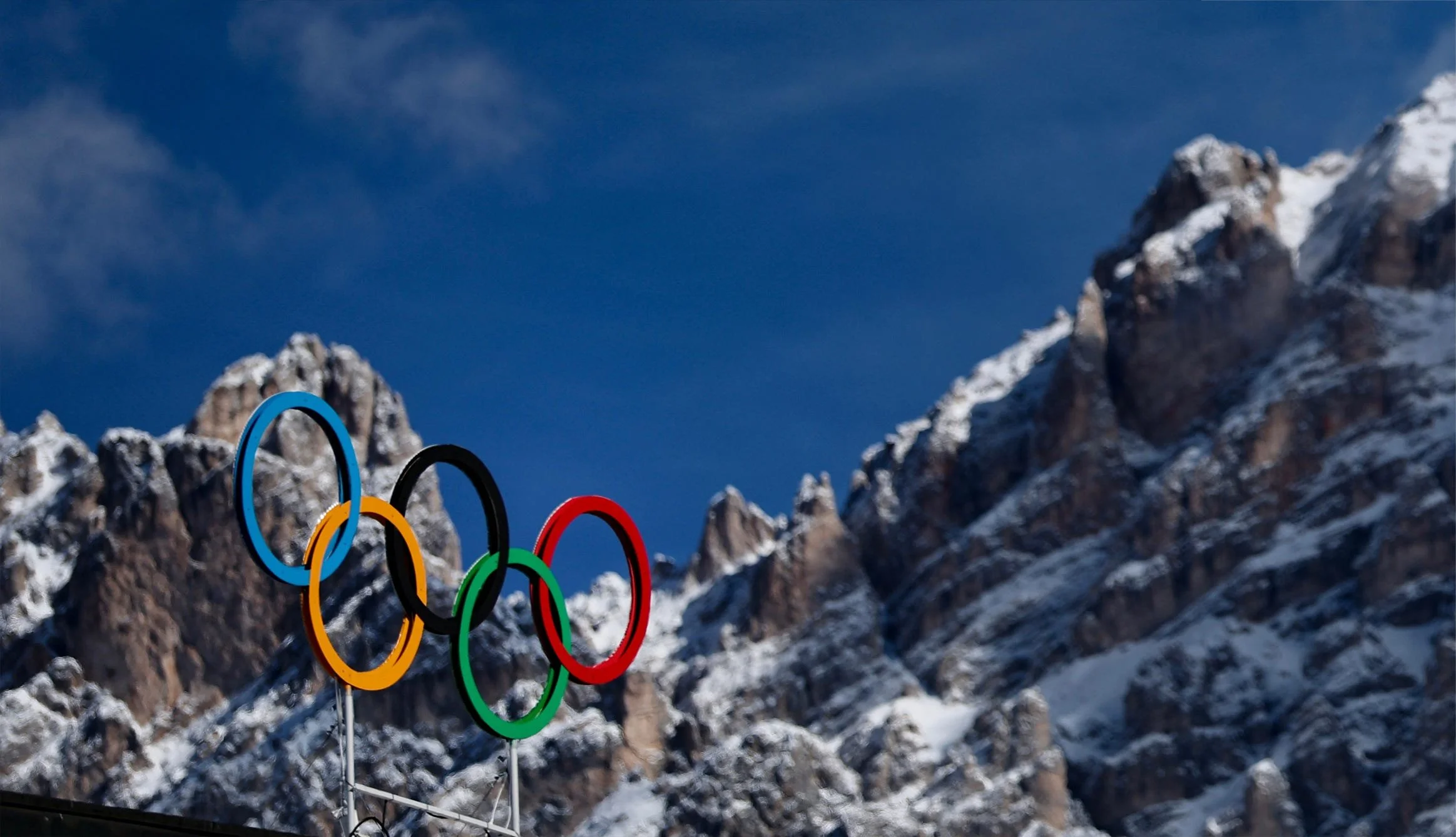
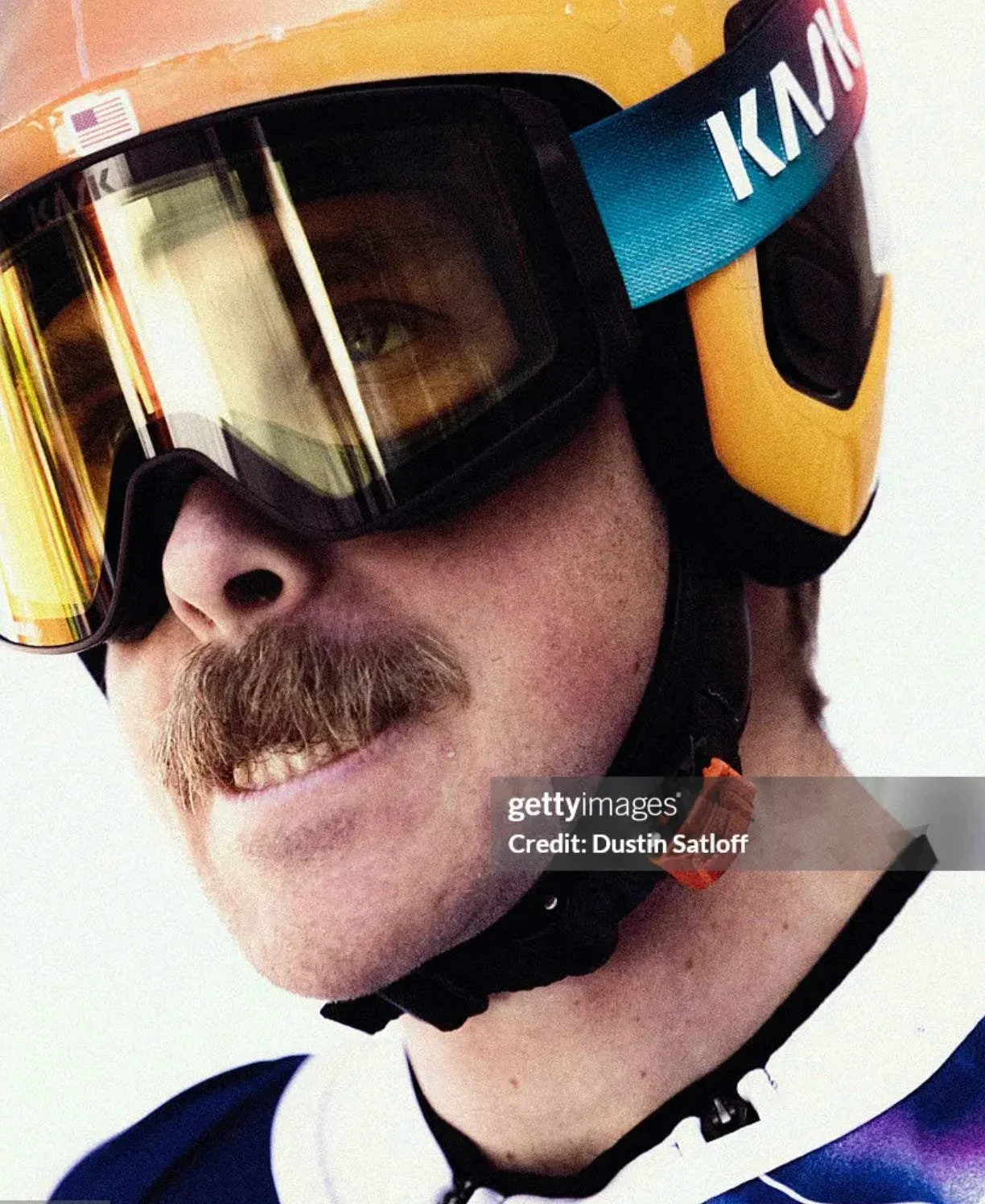
This cycle, the foundation has a significant presence on the ground, with 12 advisory board members covering the Games and more than six former grantees there as well. That is not simply an impressive statistic. It reflects the depth of a community made up of working professionals operating at the top of the field, alongside emerging photographers who are building careers in real time.
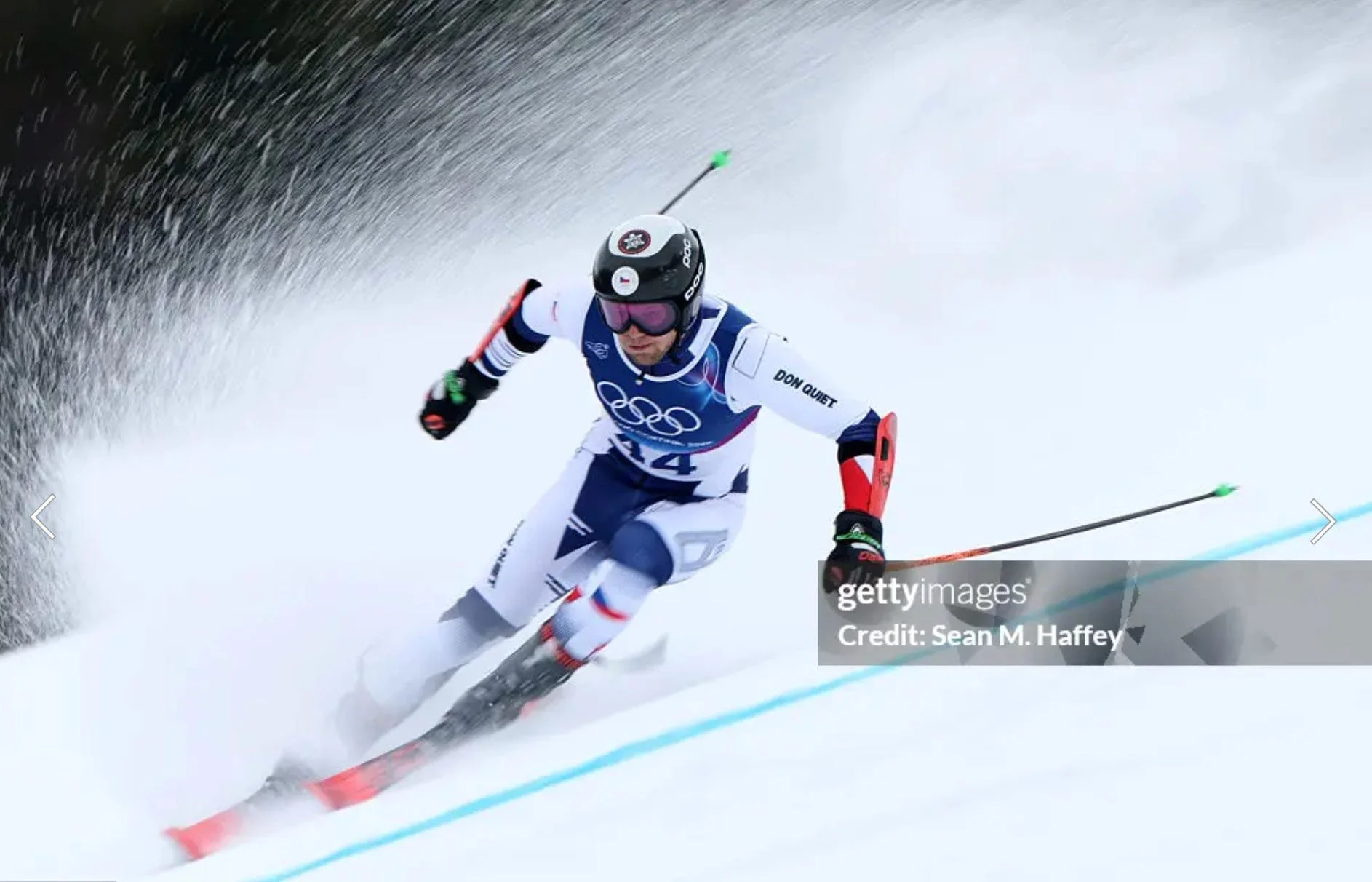
The Olympics are not just a large event. They are a highly specialized environment that demands a particular kind of readiness. Talent alone is not enough. Photographers are working through transport windows, credential rules, extreme weather, compressed timelines, complex venue logistics, and constant decisions about where to stand, when to move, what to carry, and how to protect both gear and stamina over long days. These are not abstract challenges. They shape the work minute by minute.
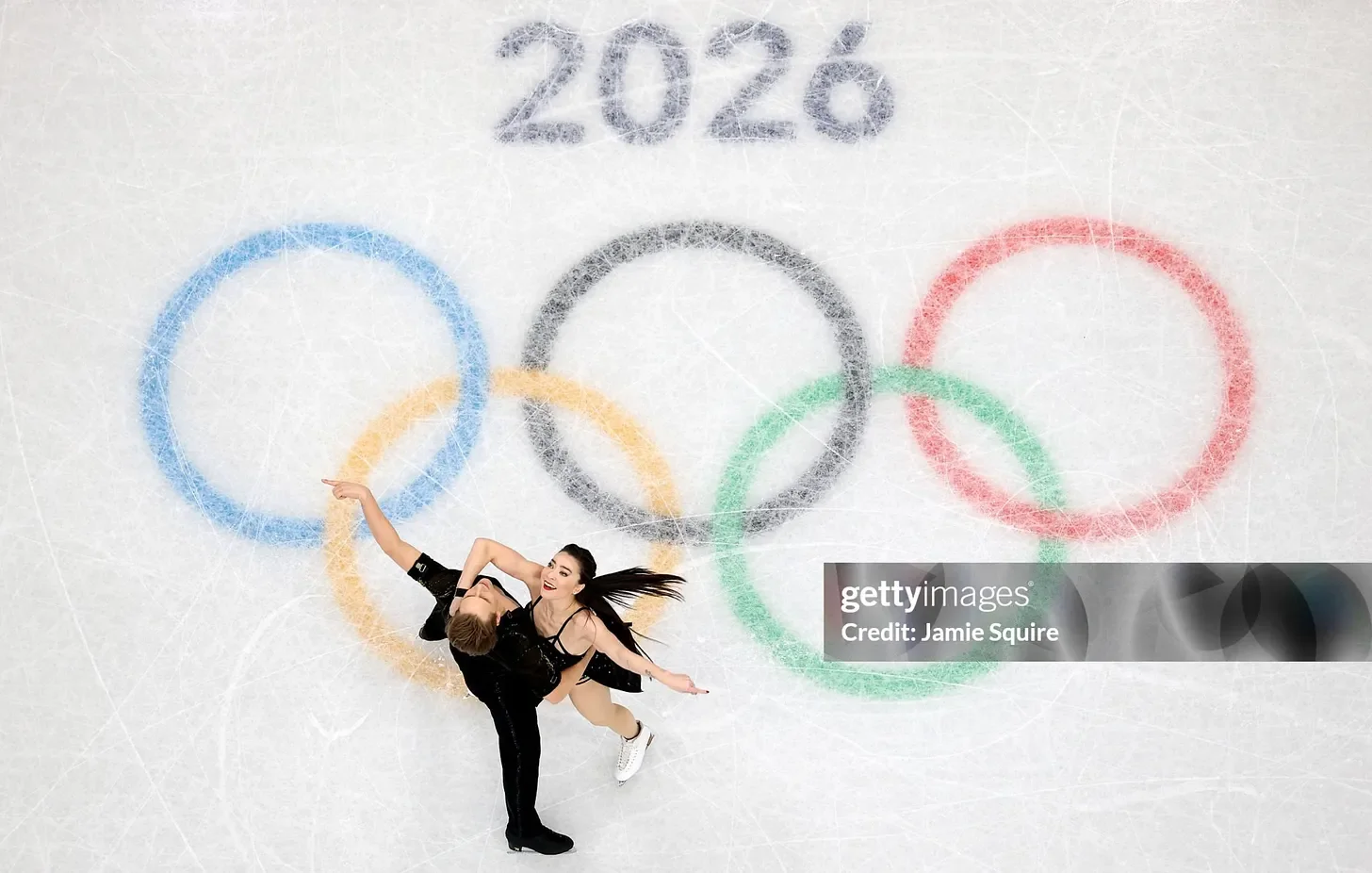
In that environment, the most valuable mentorship is not broad encouragement. It is precise knowledge from people who know the job firsthand. It is advice about how to pack efficiently, how to keep batteries functioning in the cold, how to move quickly without losing position, and how to approach one venue differently from another. It is understanding that a sliding venue asks different things than skiing, hockey, or figure skating. It is knowing how to work a medal moment differently than early competition. It is learning how to protect focus, energy, and decision making when the schedule does not ease up.
That is the kind of knowledge a specialized community can pass on, and it is one of the clearest strengths of DPPF.
The foundation’s advisory board is composed of photographers, editors, and industry leaders who continue to work at the highest levels of the profession. In a setting like the Winter Olympics, that expertise becomes especially visible. The advice shared within this community is grounded in current practice, not theory. It is shaped by people still solving these problems in real time.
That range of experience creates something rare. Emerging photographers gain access to guidance that is immediately applicable, from the small operational details that determine whether a frame is made and transmitted successfully to the larger questions of consistency, professionalism, and decision making under pressure. They are able to watch experienced professionals solve problems in real time and understand what sustained high level work actually requires.
And beyond the practical value, there is a deeper reason this matters. Sports photography is not only technical. It is human, and it is a trade learned through experience. It asks photographers to operate inside speed, emotion, and unpredictability while still making clear decisions under pressure. The readiness the work requires is built through practice, repetition, observation, and guidance from people who have learned the field by doing it. The best communities in this space do more than inspire. They help photographers develop the instincts, standards, and judgment the work demands.
That is what DPPF is built to support. Not only access to opportunity, but access to knowledge. Not only grants, but a community capable of teaching what the work really asks. Not only inspiration, but a network of specialists who understand the field from the inside because they are still shaping it themselves.
The Winter Olympics do not stand apart from that mission. They make it visible. They show what this community has become: a specialized sports photography network with real breadth, real expertise, and real investment in the next generation.