

How Emerging Photographers Enter the Picture: Inside the OIS Sports Photography Training Program
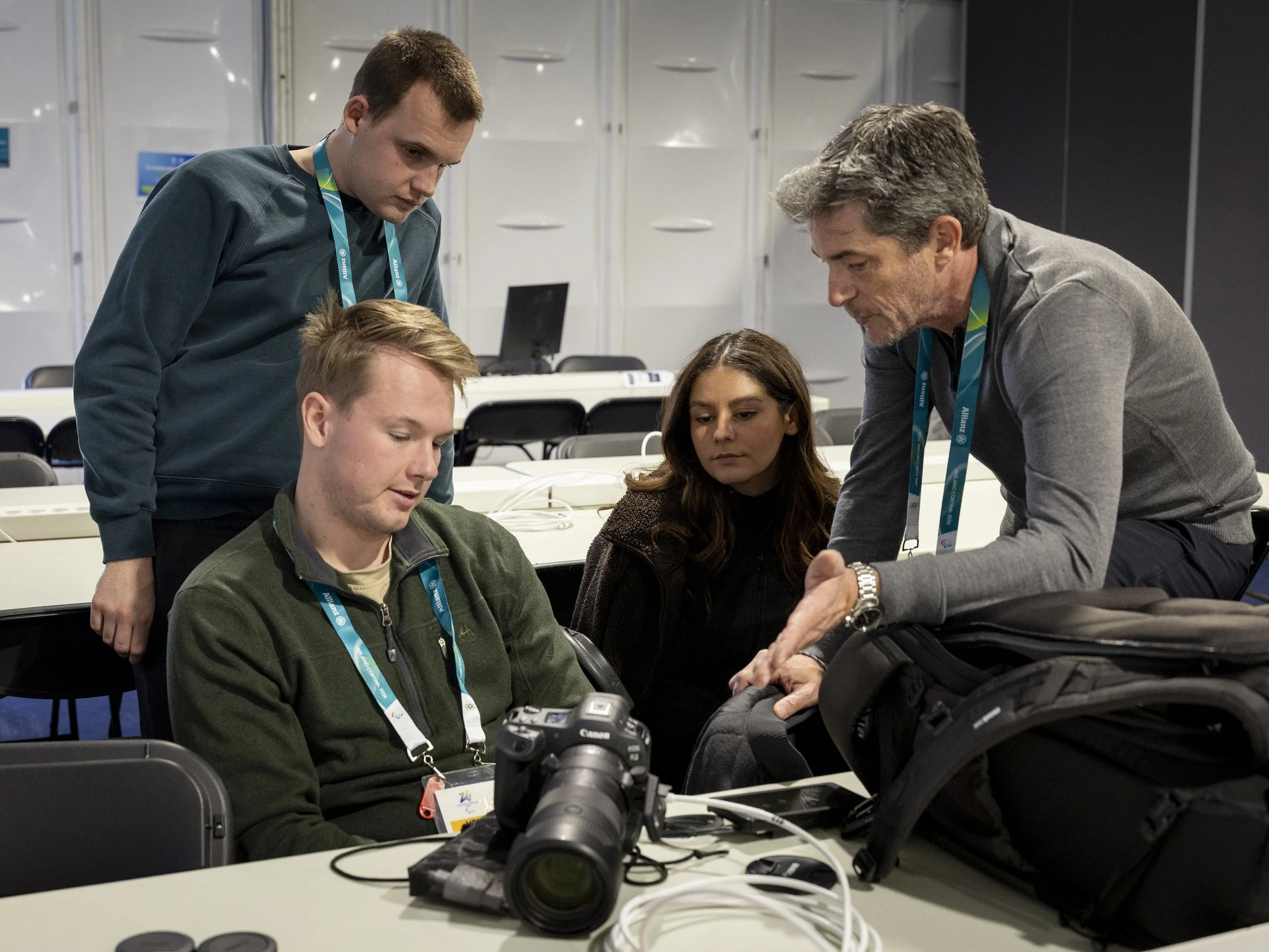
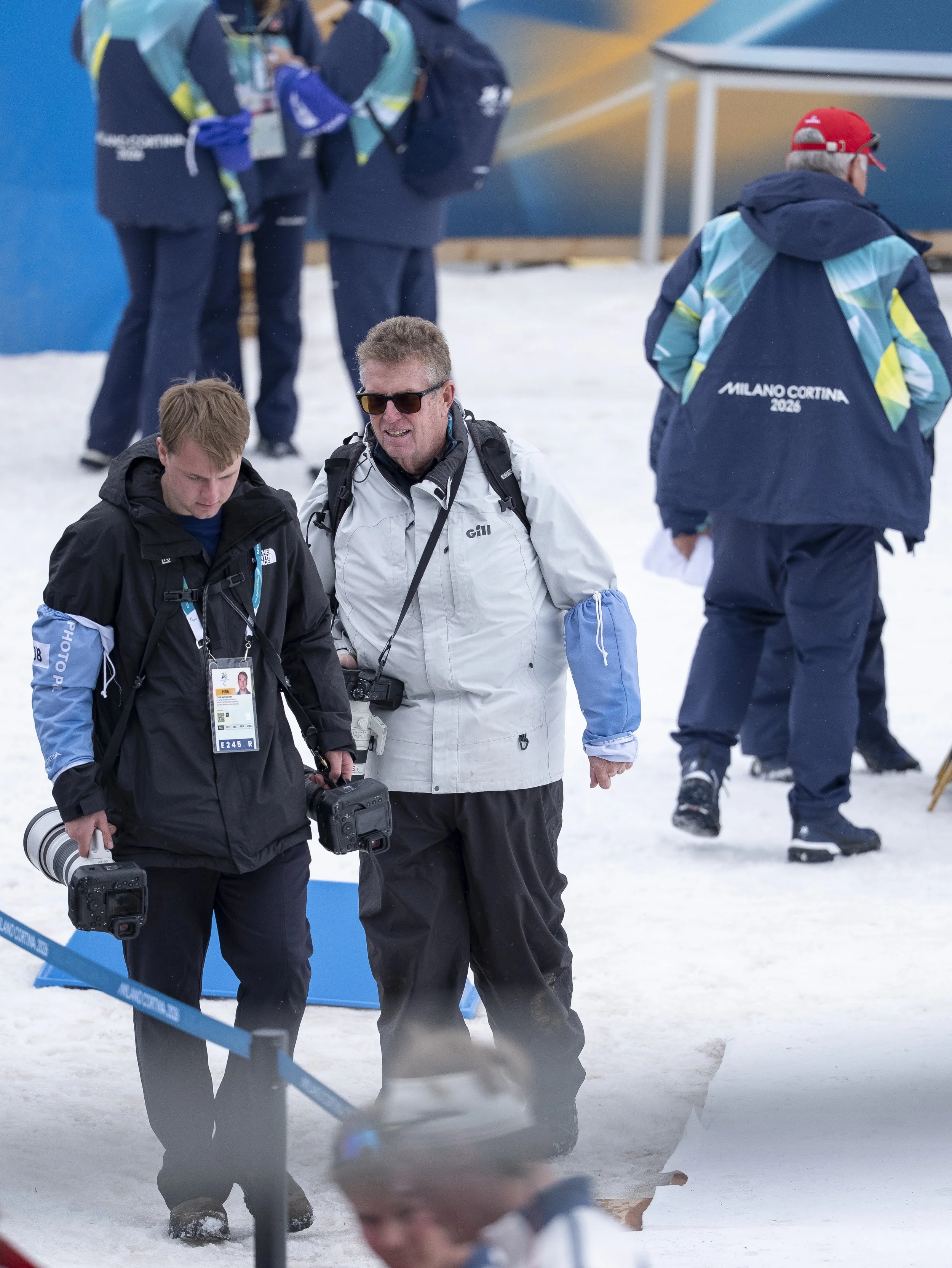
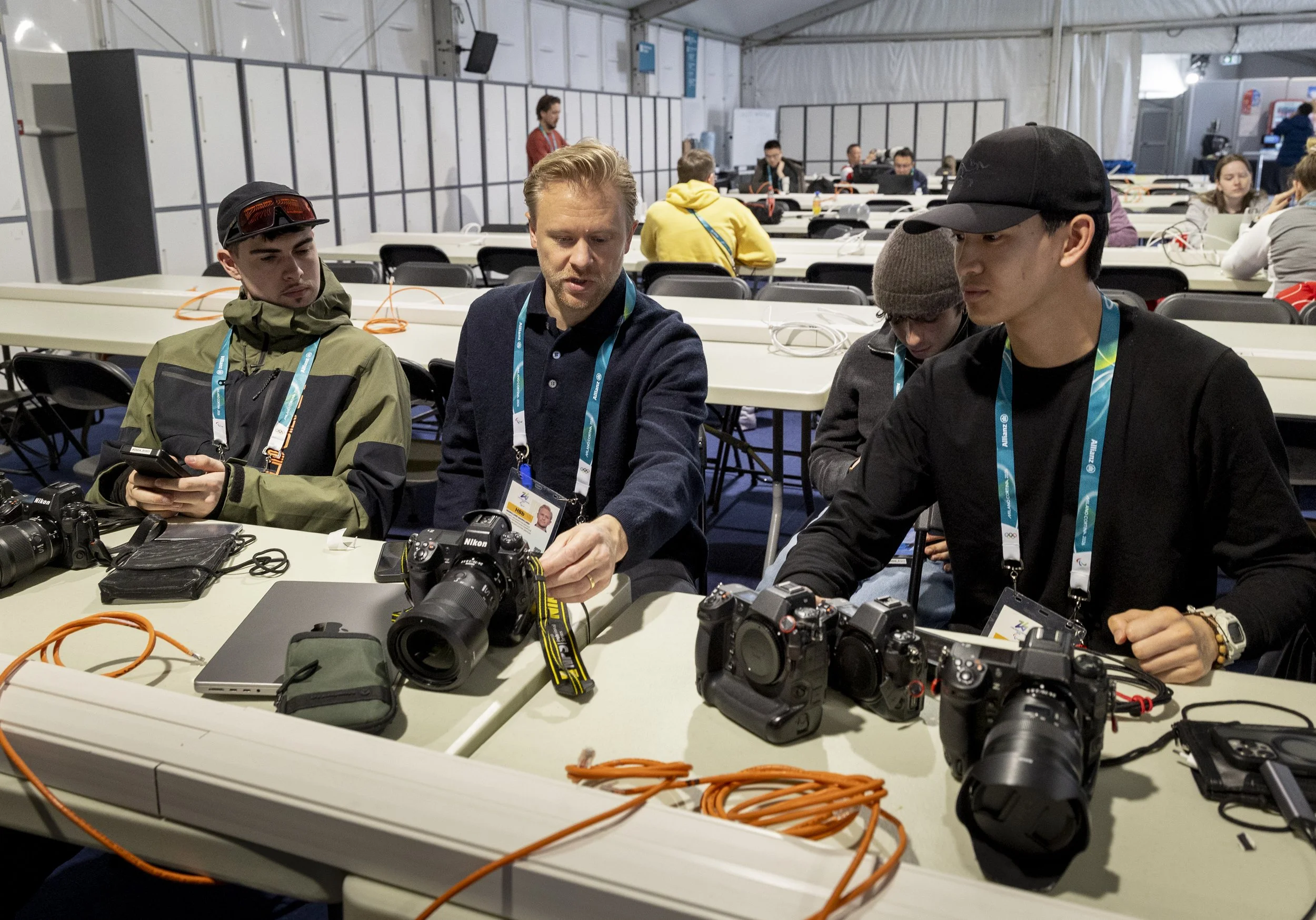
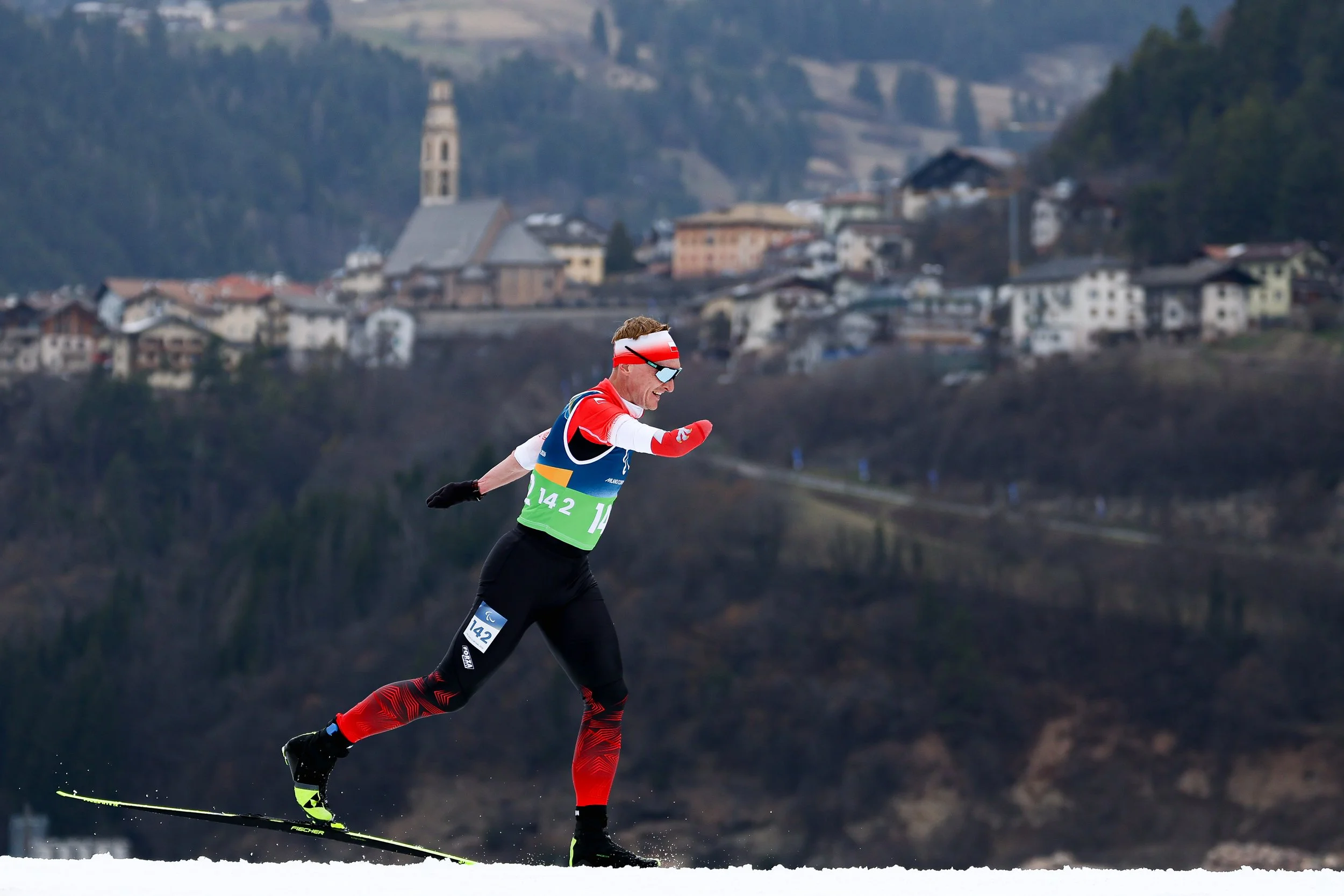
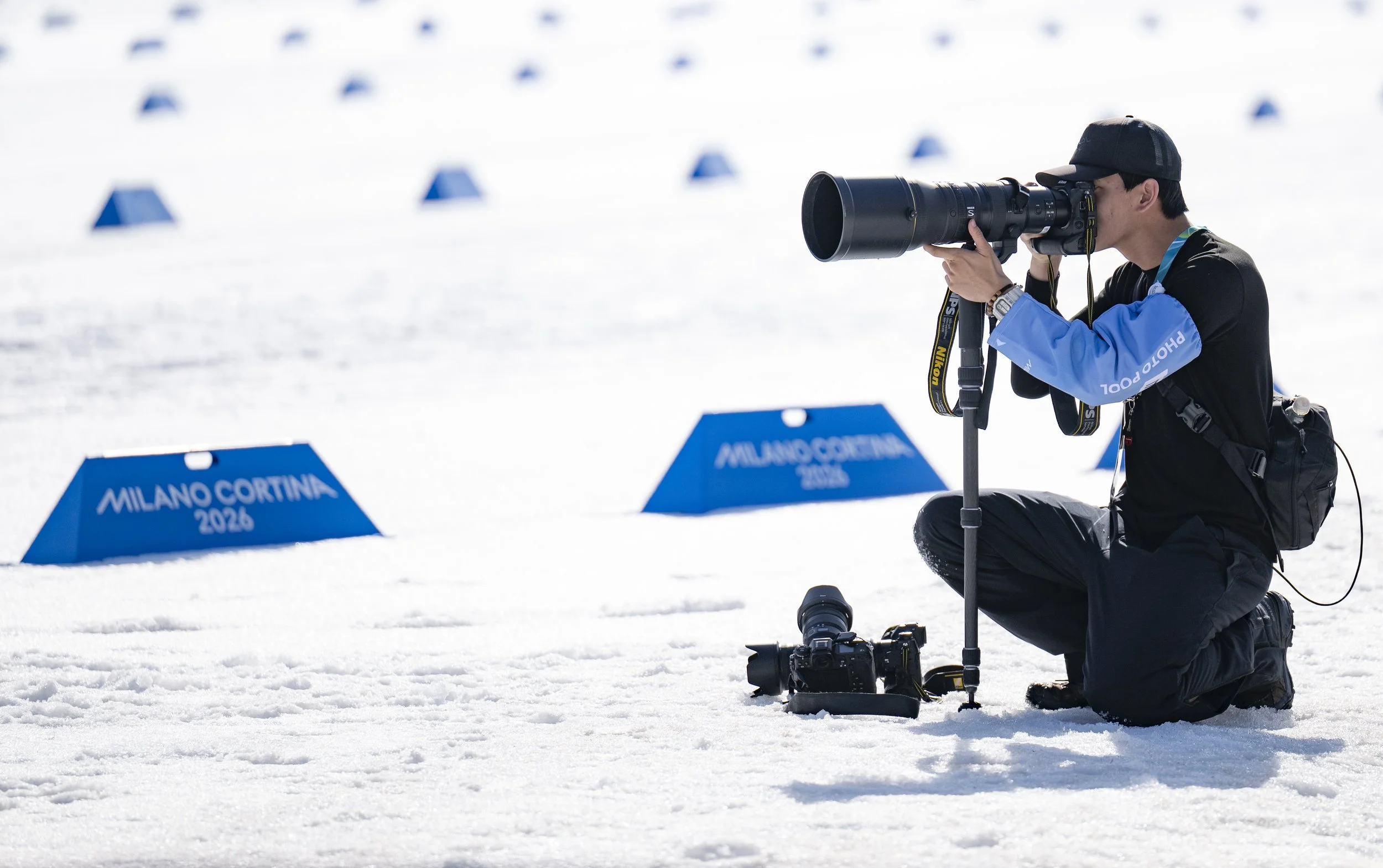
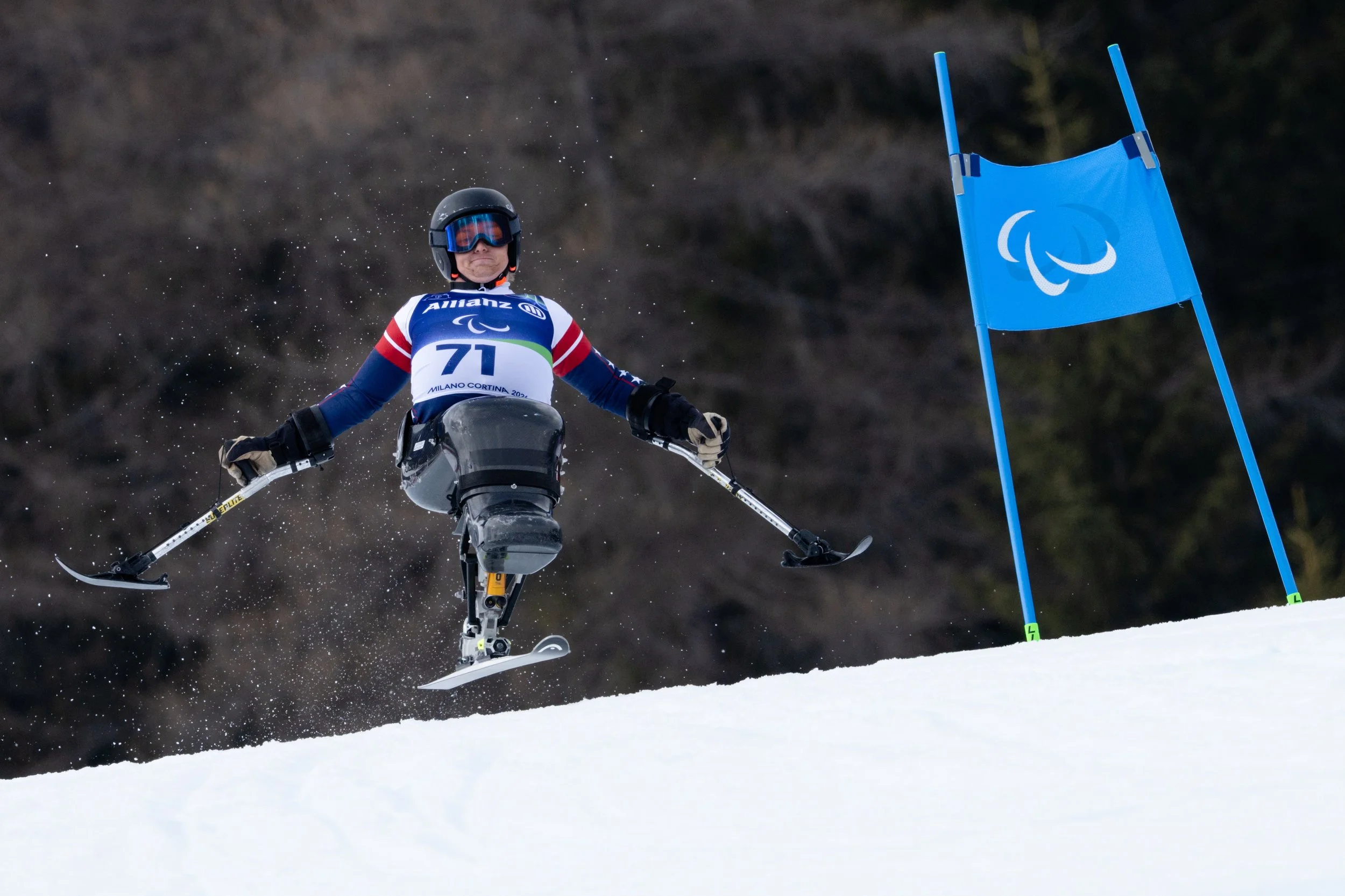
Through the experiences of Tyler McFarland and mentor Jed Jacobsohn, the program comes into focus as both a training ground and a working environment where emerging photographers learn under real pressure at the Paralympic Games.
The OIS Sports Photography Training Program places emerging photographers inside the live demands of elite international sports coverage. Led by Bob Martin, the program gives students and early career photographers the chance to work inside the Paralympic Games while learning the pace, structure, and standards that define photography at the highest level.
This is not observation from the sidelines. Participants are asked to work. Assignments arrive the night before. Travel is coordinated. Gear is packed and checked. At the venue, photographers move through briefings, secure positions, prepare for competition and ceremony, transmit images back to the editing team in Cortina, then return to debrief and do it all again the next day. What can appear from the outside as access or spectacle becomes, from the inside, a disciplined rhythm of timing, movement, judgment, and execution.
For Tyler McFarland, a previous DPPF grantee, that reality became clear almost immediately. He arrived expecting something closer to shadowing, with the chance to observe experienced professionals and step in when possible. Instead, the work was constant. Students were shooting throughout the day, covering different sports, learning in real time, and working alongside mentors who were guiding them through both the practical and creative demands of the job.
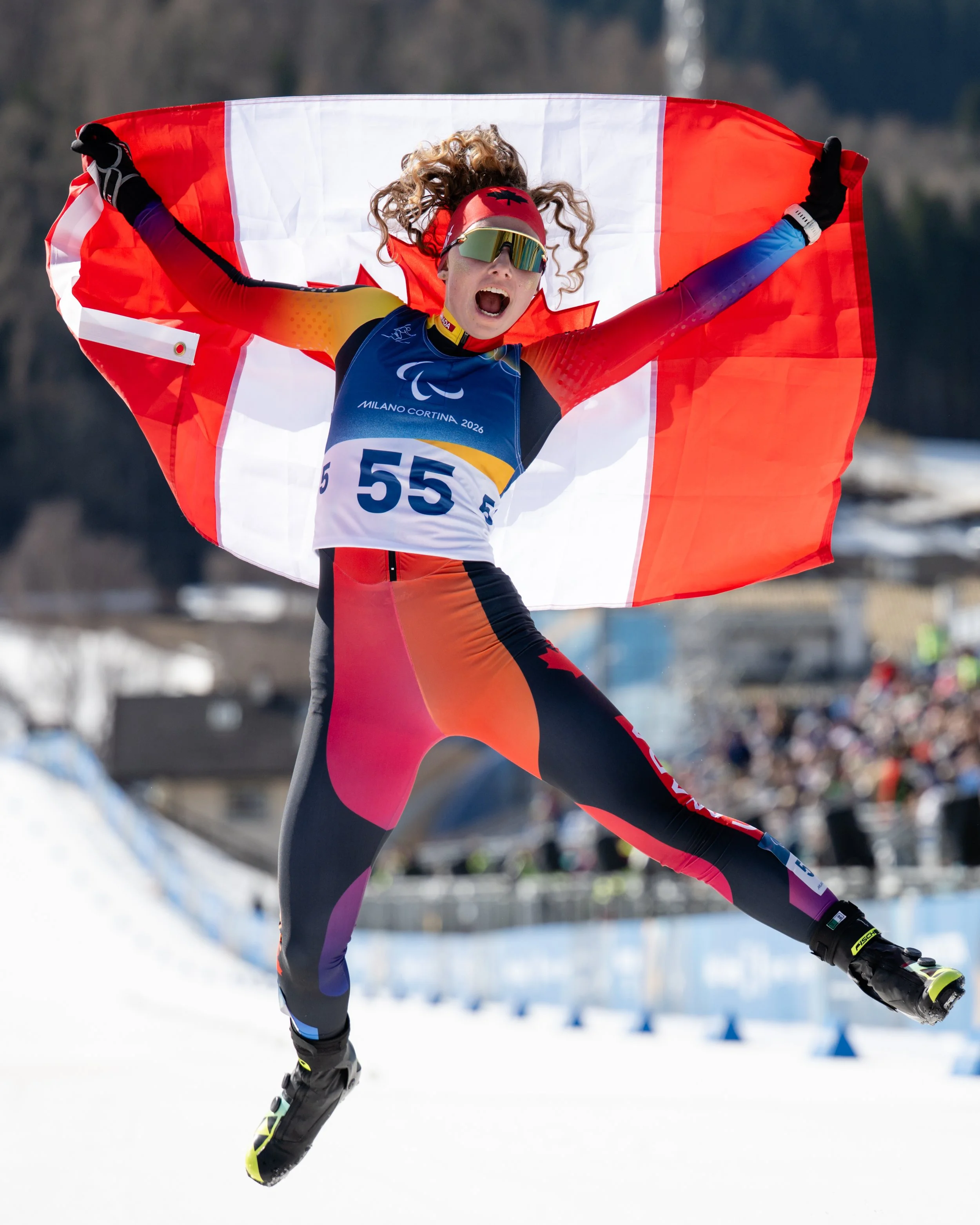
That distinction is important. The program is not built around prestige alone. It is built around pressure, repetition, and proximity to standards that do not relax simply because someone is early in their career. Participants are there to learn, but they are also there to contribute. Their images become part of the visual record of the Paralympic Winter Games, appearing on OIS platforms and alongside official written coverage.
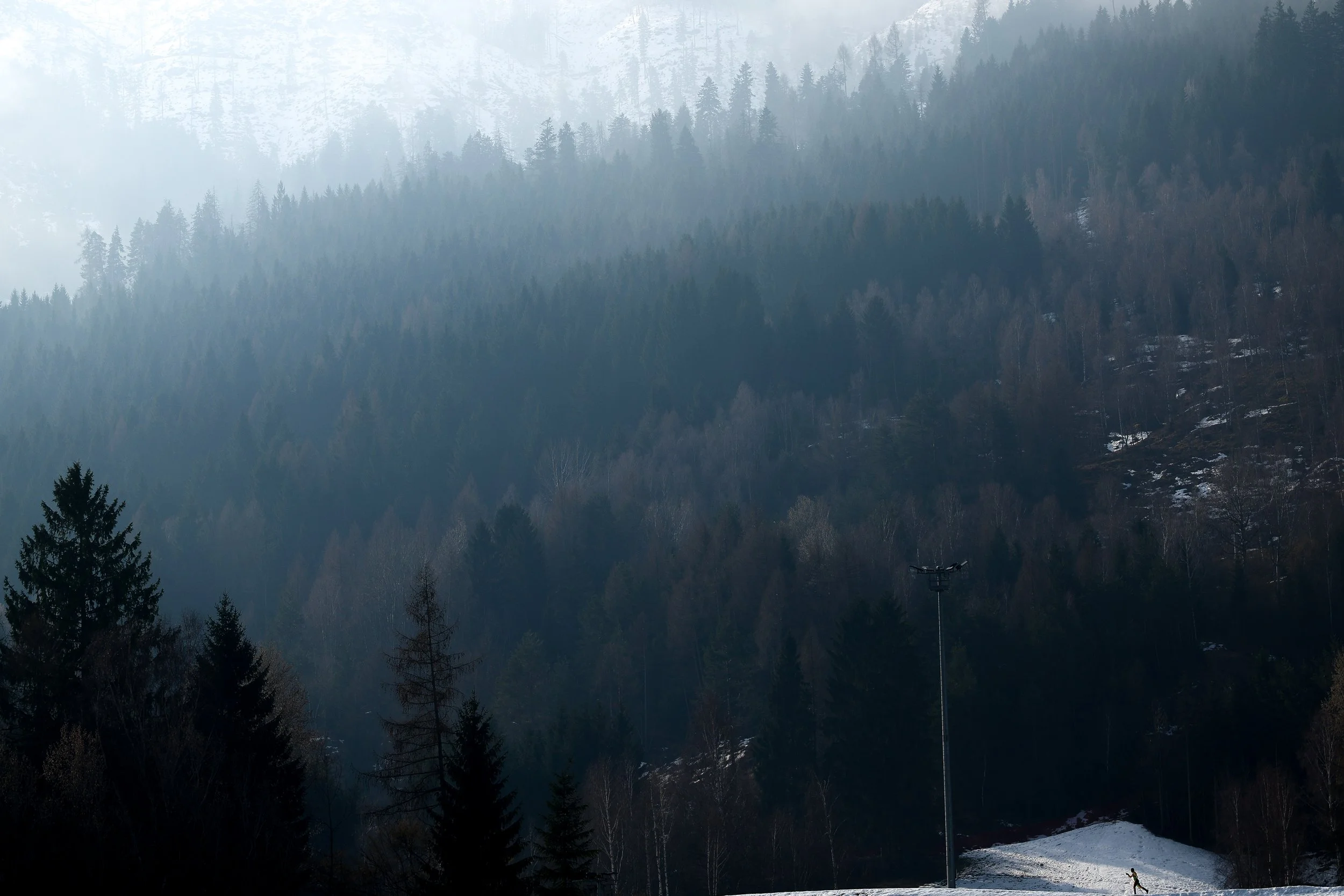
One of the first things Tyler noticed was how much forethought went into the work before a photograph was ever made. Positions were chosen carefully. Backgrounds were considered. Light was anticipated. Vantage points were shaped to set photographers up for success. It was a reminder that photography at this level is not only instinct and reaction. It is also preparation, design, and a team thinking ahead.
As the Games continued, Tyler found that one of the greatest challenges was learning how to identify peak action across different sports and situations. A frame that feels definitive in one environment does not necessarily translate to another. That lesson pushed him to become more intentional about where he stood, what moment he was looking for, and how to make an image that stays with the viewer.
That idea was reinforced by Bob Martin, who shared an important lesson with Tyler. In a team environment, you cannot always chase something ambitious when you are responsible for making sure the event is covered. But you do need to recognize when the moment opens and when there is room to push for something more exceptional.
Mentor Jed Jacobsohn understands that balance from long experience. When he first arrived in an Olympic environment, he was 23, fresh out of college, and learning quickly how much the job required. The tools and speed of the profession have changed dramatically since then, but the deeper demands remain the same. The goal is still to make the highest quality images creatively while learning how to function as part of a team.
That is what Jed watches for when he works with younger photographers. He is paying attention not only to picture making, but also to workflow, decision making, responsiveness to critique, and the ability to understand assignments and adapt in real time. He knows emerging photographers often underestimate the long hours, the physical wear of the job, and the value of honest feedback. What he hopes they leave with is not simply a stronger portfolio, but a clearer understanding of how to contribute to something bigger than themselves.
This is where the DPPF connection matters. Through its advisory board, and through the involvement of people like Jed and Bob, the foundation is able to help open a door into one of the most demanding international event environments the field can offer, creating a real exchange of knowledge, standards, time, and trust.
In the end, that may be the most valuable part of the experience. Not instruction alone, but the chance to see what the work actually is from the inside, and to begin sharpening the skill, judgment, and way of seeing it requires.